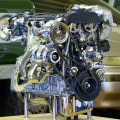
When it comes to maintaining your vehicle, understanding the concept of a car tune-up is essential. Traditionally, a tune-up referred to a comprehensive service that ensured your car's engine and related systems were functioning optimally. This included checking and replacing spark plugs, adjusting ignition timing, and inspecting various components such as filters and belts. In the past, these services were crucial for older vehicles, which relied heavily on mechanical systems that required regular adjustments to perform efficiently.As technology has advanced, so too has the nature of car maintenance.
Modern vehicles are equipped with sophisticated electronic systems that often self-regulate, reducing the frequency with which traditional tune-ups are necessary. However, this does not diminish the importance of regular maintenance. A tune-up today may not involve the same extensive checks as in previous decades, but it still plays a vital role in ensuring your vehicle runs smoothly and efficiently. Regular inspections can help identify potential issues before they escalate into costly repairs.Understanding the importance of tune-ups in the context of overall car maintenance is crucial for every car owner.
While you may not need to schedule a tune-up as frequently as before, being aware of your vehicle's specific needs and adhering to recommended service intervals can significantly enhance its longevity and performance. In this article, we will explore the evolution of tune-ups, their relevance in today's automotive landscape, and how you can determine when your vehicle might need one.
Why Are Tune-Ups Important?
Understanding the importance of car tune-ups is essential for every vehicle owner. Regular tune-ups serve as a proactive measure to ensure your car remains in optimal condition, ultimately extending its lifespan and enhancing its performance.One of the primary benefits of a tune-up is the early identification of potential issues. During a tune-up, a qualified mechanic inspects various components of your vehicle, including the ignition system, fuel system, and exhaust system.This thorough examination allows for the detection of problems that may not be immediately apparent to the driver. For instance, worn-out spark plugs or a clogged fuel filter can lead to decreased engine performance if left unaddressed. By catching these issues early, you can avoid more significant repairs down the line, saving both time and money.Moreover, tune-ups play a crucial role in maintaining engine performance. A well-tuned engine operates more efficiently, providing better acceleration and smoother driving experiences.
When components such as spark plugs and air filters are regularly replaced or adjusted, your engine can breathe better and perform at its best. This not only enhances your driving experience but also contributes to overall vehicle safety.Another significant advantage of regular tune-ups is their impact on fuel efficiency. An engine that is running smoothly consumes fuel more effectively. If your car is experiencing issues like misfiring or poor combustion due to neglected maintenance, it will likely use more fuel than necessary.
This inefficiency can lead to higher fuel costs over time. By ensuring that your vehicle receives timely tune-ups, you can improve its gas mileage and reduce your overall fuel expenses.In summary, the importance of car tune-ups cannot be overstated. They are vital for identifying potential problems early, maintaining optimal engine performance, and improving fuel efficiency. By investing in regular tune-ups, you are not only safeguarding your vehicle's health but also enhancing your driving experience and saving money in the long run.
How Often Should You Get a Tune-Up?
Determining how often you should get a tune-up is essential for maintaining your vehicle's performance and longevity.The frequency of tune-ups can vary significantly based on several factors, including the type of vehicle you own, its age, and your driving habits.Traditionally, older vehicles required tune-ups every 10,000 to 12,000 miles or at least once a year. However, with advancements in automotive technology, many modern cars can go much longer between tune-ups. For instance, vehicles equipped with electronic ignition systems and fuel injection may only need a tune-up every 25,000 to 100,000 miles. This extended interval is due to the improved reliability of components that previously required regular adjustments.
Consult Your Owner's Manual
The best way to determine the appropriate tune-up schedule for your specific vehicle is to consult your owner's manual.
This document provides manufacturer-recommended intervals tailored to your car's make and model. Following these guidelines ensures that you maintain optimal performance and catch any potential issues before they escalate into costly repairs.
Consider Your Driving Conditions
Your driving habits also play a crucial role in determining how often you should schedule a tune-up. If you frequently drive in challenging conditions—such as:
- Stop-and-go traffic
- Extreme weather (hot or cold)
- Short trips where the engine doesn’t reach optimal operating temperature
- Towing heavy loads
Signs That Indicate a Tune-Up is Needed
In addition to following the recommended schedule, be vigilant for signs that your car may need a tune-up sooner than expected.
Common indicators include:
- Decreased fuel efficiency: If you notice that you're filling up more often than usual, it could signal that your engine isn't running efficiently.
- Difficulty starting: Struggling to start your car or needing multiple attempts can indicate issues with spark plugs or other ignition components.
- Engine misfires: If your engine hesitates or stutters during acceleration, it may be time for a tune-up.
Signs Your Car Needs a Tune-Up
As a car owner, being aware of the signs that indicate your vehicle may need a tune-up is crucial for maintaining its performance and longevity. Ignoring these symptoms can lead to more significant issues down the road, potentially resulting in costly repairs. Here are some key indicators that suggest it might be time for a tune-up:- Decreased Gas Mileage: One of the most noticeable signs that your car may need a tune-up is a sudden drop in fuel efficiency. If you find yourself refueling more often than usual, it could indicate that your engine is not operating at its optimal level.
This inefficiency can stem from various issues, such as worn spark plugs or a clogged air filter, both of which can be addressed during a tune-up.
- Difficulty Starting: If your car struggles to start or requires multiple attempts to turn over, this could be a sign of underlying problems. Common culprits include failing spark plugs or issues with the ignition system. A tune-up can help identify and rectify these issues before they escalate into more serious problems.
- Engine Misfiring: An engine that misfires or runs unevenly can be frustrating and alarming. Misfiring often occurs due to faulty spark plugs or ignition coils.
If you experience this symptom, it’s essential to seek a mechanic's expertise for a thorough inspection and potential tune-up.
- Unusual Noises: Pay attention to any strange sounds coming from your engine, such as knocking or pinging noises. These sounds can indicate that your engine is not functioning correctly and may require immediate attention. A tune-up can help diagnose the source of these noises and restore your vehicle's performance.
- Check Engine Light: The check engine light is designed to alert you to potential issues within your vehicle. If this light illuminates on your dashboard, it’s advisable to have your car checked out promptly.
A mechanic can perform diagnostic tests during a tune-up to determine the cause of the warning light.
The Impact of Modern Technology on Tune-Ups
In recent years, the automotive industry has undergone a significant transformation due to advancements in technology. These innovations have not only improved vehicle performance but have also altered the way we approach tune-ups. Understanding the impact of modern technology on tune-ups is essential for every car owner.One of the most notable changes is the introduction of electronic ignition systems.Unlike traditional ignition systems that relied on mechanical components, electronic systems use sensors and computer controls to manage the ignition process. This shift has led to greater reliability and efficiency, reducing the frequency with which tune-ups are necessary. In fact, many modern vehicles can go upwards of 100,000 miles without requiring a tune-up, a stark contrast to older models that needed attention every 10,000 to 12,000 miles.Additionally, many components in modern cars are designed to be self-regulating. For instance, fuel injection systems automatically adjust the fuel-air mixture based on real-time data from various sensors.
This means that issues related to fuel delivery and combustion are often corrected by the vehicle's onboard computer before they escalate into more significant problems. As a result, car owners may find that they need fewer tune-ups than in previous decades.Moreover, advancements in diagnostic technology have made it easier for mechanics to identify potential issues without performing extensive manual checks. With the help of specialized diagnostic tools, mechanics can quickly assess a vehicle's health by connecting to its onboard computer system. This capability allows for more precise maintenance recommendations tailored to each vehicle's specific needs.However, while modern technology has reduced the necessity for frequent tune-ups, it does not eliminate them entirely.
Regular inspections remain crucial for maintaining optimal performance and catching any underlying issues early. Car owners should still refer to their owner's manual for recommended maintenance schedules and consult with their mechanics if they notice any signs of trouble.In conclusion, the evolution of automotive technology has significantly impacted how we view tune-ups. While modern vehicles require less frequent maintenance due to self-regulating components and advanced diagnostic tools, staying proactive about vehicle care is essential for long-term reliability and performance.
Common Misconceptions About Tune-Ups
When it comes to car maintenance, tune-ups are often surrounded by a cloud of misconceptions that can lead to confusion among car owners. Understanding the truth behind these myths is essential for making informed decisions about your vehicle's care.Myth 1: Tune-Ups Are Only for Older Cars
One of the most prevalent misconceptions is that only older vehicles require tune-ups.While it is true that older cars with traditional ignition systems needed regular adjustments, modern vehicles equipped with advanced technology often have self-regulating components. This means that while they may not need tune-ups as frequently, they still benefit from periodic inspections to ensure optimal performance.
Myth 2: A Tune-Up Is Just an Oil Change
Another common myth is equating a tune-up with an oil change. While both are crucial aspects of vehicle maintenance, they serve different purposes. An oil change focuses on lubricating the engine and removing contaminants, whereas a tune-up involves checking and adjusting various engine components, such as spark plugs, filters, and ignition systems.Neglecting a tune-up can lead to performance issues that an oil change alone cannot resolve.
Myth 3: You Only Need a Tune-Up When Something Goes Wrong
Many car owners believe that a tune-up is only necessary when they notice problems like poor acceleration or engine misfires. However, this reactive approach can be detrimental. Regular tune-ups help catch potential issues before they escalate into costly repairs. By adhering to the recommended maintenance schedule outlined in your owner’s manual, you can prevent unexpected breakdowns and extend the life of your vehicle.Myth 4: All Mechanics Recommend Tune-Ups for Profit
While it’s true that some mechanics may suggest unnecessary services, most reputable professionals genuinely recommend tune-ups based on your vehicle's needs.It’s essential to build a trusting relationship with your mechanic and seek second opinions if you feel uncertain about their recommendations. A knowledgeable mechanic will prioritize your vehicle's health over profit.In conclusion, debunking these common myths about tune-ups can empower car owners to make better maintenance choices. Regular inspections and understanding the true purpose of tune-ups are vital for keeping your vehicle running smoothly and efficiently.
What to Expect During a Tune-Up
When you take your car in for a tune-up, you can expect a comprehensive inspection and maintenance process designed to enhance your vehicle's performance and longevity. Understanding what happens during a tune-up can help you appreciate its value and ensure that your car remains in optimal condition.Initial Inspection
The first step in the tune-up process typically involves an initial inspection by the mechanic.This includes:
- Visual Checks: The mechanic will visually inspect the engine and surrounding components for any obvious signs of wear or damage.
- Diagnostic Testing: Many modern mechanics use diagnostic tools to read error codes from the vehicle’s computer system, which can indicate specific issues that need addressing.
Key Components Checked
During a tune-up, several critical components of your vehicle will be checked and adjusted as necessary:- Spark Plugs: These are essential for igniting the fuel-air mixture in the engine. The mechanic will check their condition and replace them if they are worn or fouled.
- Ignition System: This includes checking ignition coils, wires, and other components to ensure they are functioning correctly.
- Fuel System: The fuel filter may be replaced, and fuel injectors will be cleaned to ensure proper fuel delivery.
- Air Filter: A clean air filter is vital for optimal engine performance. The mechanic will inspect it and replace it if necessary.
- Belt and Hose Inspection: The mechanic will check for any signs of wear or cracking in belts and hoses, which could lead to future problems.
Fluid Checks and Changes
A tune-up often includes checking various fluids in your vehicle:- Engine Oil: The oil level will be checked, and an oil change may be recommended if it’s dirty or low.
- Coolant: The coolant level is inspected to prevent overheating issues.
- Transmission Fluid: This fluid is checked to ensure smooth shifting and overall transmission health.
Tuning Adjustments
If necessary, adjustments will be made to optimize engine performance. This may include:- Timing Adjustments: Ensuring that the engine timing is set correctly can improve efficiency and power.
- Idle Speed Adjustments: The idle speed may be adjusted for smoother operation when the vehicle is at rest.
By understanding what to expect during a tune-up, you can make informed decisions about your vehicle's maintenance needs.
DIY Tune-Up: Is It Possible?
Many car owners wonder if they can tackle a tune-up themselves, especially with the rise of DIY car maintenance culture. While some aspects of a tune-up can be performed at home, it’s essential to understand your vehicle and the specific tasks involved.Understanding the Basics
A typical tune-up involves checking and replacing various components to ensure your vehicle runs smoothly. Here are some common tasks you might consider:
- Replacing Spark Plugs: Spark plugs are crucial for engine performance. If you notice misfiring or poor acceleration, it might be time to replace them.
This task is generally straightforward and can be done with basic tools.
- Changing Air Filters: A clean air filter improves engine efficiency and fuel economy. Most car owners can easily access and replace their air filters without professional help.
- Checking Fluid Levels: Regularly checking and topping off fluids such as oil, coolant, and brake fluid is vital for vehicle health. This is a simple task that can prevent more significant issues down the line.
- Inspecting Belts and Hoses: Look for signs of wear or cracking in belts and hoses. While replacing them may require more skill, identifying potential problems is something any car owner can do.
When to Seek Professional Help
While many tasks are manageable for the average car owner, some aspects of a tune-up should be left to professionals:
- Complex Engine Diagnostics: If your vehicle has electronic ignition systems or advanced fuel injection, diagnosing issues may require specialized equipment and expertise.
- Timing Belt Replacement: This is a critical component that requires precision.
Incorrect installation can lead to severe engine damage.
- Advanced Engine Adjustments: Some modern vehicles have self-regulating systems that require professional calibration.
DIY Tune-Up Tips
If you decide to perform a DIY tune-up, here are some tips to ensure success:
- Consult Your Owner's Manual: Always refer to your vehicle's manual for specific recommendations on maintenance intervals and procedures.
- Gather the Right Tools: Ensure you have the necessary tools, including wrenches, screwdrivers, and a socket set.
- Take Your Time: Rushing through tasks can lead to mistakes. Take your time to ensure everything is done correctly.
- Document Your Work: Keep a record of what you’ve done during your tune-up. This will help you track maintenance history and identify future needs.
Conclusion: The Bottom Line on Car Tune-Ups
In summary, the discussion surrounding car tune-ups reveals a nuanced understanding of vehicle maintenance in the context of modern automotive technology.While traditional wisdom suggested that tune-ups were a necessary part of car care, advancements in engineering and design have transformed this perspective significantly.For many contemporary vehicles, the need for frequent tune-ups has diminished. The introduction of electronic ignition systems and fuel injection technology means that many components are now self-regulating, reducing the frequency with which adjustments are required. However, this does not imply that tune-ups should be entirely disregarded. Regular maintenance remains crucial for ensuring optimal performance and longevity of your vehicle.
Key Takeaways:
- Consult Your Owner's Manual: Always refer to your vehicle's owner manual for specific recommendations regarding tune-up intervals.
This document is tailored to your car's make and model and provides the most accurate guidance.
- Monitor Performance: Pay attention to signs that may indicate your car needs a tune-up sooner than expected, such as decreased fuel efficiency, difficulty starting, or engine misfires.
- Driving Conditions Matter: Your driving habits and the conditions in which you operate your vehicle can influence how often you should consider a tune-up. Frequent short trips or driving in harsh environments may necessitate more regular checks.
- Seek Professional Advice: If you're uncertain about whether your car requires a tune-up, don't hesitate to consult a trusted mechanic. Getting a second opinion can provide peace of mind and ensure you're making informed decisions about your vehicle's maintenance.
Remember, a well-maintained car not only performs better but also enhances your safety on the road.