When it comes to maintaining your vehicle, understanding the concept of a tune-up is essential for every car owner. A tune-up is not merely a routine check; it is a comprehensive service designed to ensure that your car operates at its peak performance. Over time, various components of your vehicle can wear down or become less efficient, leading to decreased performance and potential safety hazards. Regular tune-ups help to identify and rectify these issues before they escalate into more significant problems.So, what exactly does a tune-up entail? At its core, a tune-up involves inspecting and servicing critical engine components to optimize performance and efficiency.
This can include replacing spark plugs, checking ignition timing, and ensuring that air and fuel filters are clean and functioning correctly. By addressing these elements, you not only enhance your car's performance but also contribute to better fuel economy and reduced emissions.The significance of a tune-up extends beyond just immediate performance improvements. Regular maintenance through tune-ups can lead to a longer lifespan for your vehicle, saving you money in the long run by preventing costly repairs. Moreover, a well-maintained car is more reliable, providing peace of mind as you navigate daily commutes or long road trips.
Understanding the importance of a tune-up is the first step in taking proactive measures for your vehicle's health.
The Key Components of a Tune-Up
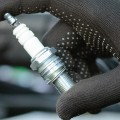
A comprehensive tune-up is essential for maintaining your vehicle's performance and longevity. Understanding the key components involved in a typical tune-up can help you appreciate its importance and ensure that your car runs smoothly. Below are the primary elements that are typically included in a tune-up:- Spark Plugs: Spark plugs are crucial for igniting the air-fuel mixture in the engine's combustion chamber. Over time, they can wear out or become fouled, leading to misfires, reduced fuel efficiency, and poor acceleration.
During a tune-up, these components are inspected and replaced if necessary to ensure optimal engine performance.
- Air Filters: The air filter prevents dirt and debris from entering the engine. A clogged air filter can restrict airflow, negatively impacting engine performance and fuel economy. Replacing the air filter during a tune-up helps maintain proper airflow and enhances engine efficiency.
- Fuel Filters: Similar to air filters, fuel filters keep contaminants from entering the fuel system. A dirty fuel filter can lead to poor engine performance and starting issues.
Regular replacement during a tune-up ensures that your engine receives clean fuel, which is vital for its operation.
- Ignition System: The ignition system includes components such as ignition coils, wires, and distributors (if applicable). These parts work together to deliver electrical current to the spark plugs. A malfunctioning ignition system can cause starting problems and misfires. During a tune-up, these components are checked for wear and replaced as needed.
- PCV Valve: The Positive Crankcase Ventilation (PCV) valve helps regulate engine pressure and reduce harmful emissions.
A faulty PCV valve can lead to increased oil consumption and engine sludge buildup. Replacing this valve during a tune-up is essential for maintaining engine health.
- Fluid Levels: During a tune-up, mechanics will also check various fluid levels, including oil, coolant, brake fluid, and transmission fluid. Ensuring these fluids are at appropriate levels is vital for the overall health of your vehicle.
Signs Your Car Needs a Tune-Up
Recognizing the signs that your car needs a tune-up is essential for maintaining its performance and longevity.Ignoring these indicators can lead to more severe issues down the line, resulting in costly repairs and decreased safety. Here are some common warning signs that suggest it’s time to schedule a tune-up:
- Poor Acceleration: If you notice that your car struggles to accelerate or feels sluggish when you press the gas pedal, it may indicate that the engine is not functioning optimally. This could be due to worn spark plugs or fuel filters that need replacement.
- Rough Idling: A smooth idle is a sign of a healthy engine. If your vehicle shakes or vibrates while idling, it could mean that the engine is misfiring, often caused by faulty spark plugs or ignition components.
- Difficulty Starting: If your car takes longer than usual to start or requires multiple attempts, it’s a clear sign that something is amiss.
This could be related to battery issues, fuel delivery problems, or ignition system failures.
- Decreased Fuel Efficiency: A sudden drop in fuel efficiency can indicate that your engine is not running as efficiently as it should. Regular tune-ups can help improve fuel economy by ensuring that all components are functioning correctly.
- Check Engine Light: The check engine light can illuminate for various reasons, but if it stays on consistently, it’s a strong indication that your vehicle needs attention. A diagnostic check can help pinpoint the exact issue.
- Noisy Engine: Unusual noises such as knocking, pinging, or excessive vibration can signal underlying problems within the engine. These sounds should not be ignored, as they may indicate serious issues requiring immediate attention.
Regular maintenance and timely tune-ups not only enhance your vehicle's performance but also ensure your safety on the road.
The Benefits of Regular Tune-Ups
Regular tune-ups are not just a routine maintenance task; they are essential for ensuring your vehicle operates at its best. The benefits of adhering to a consistent tune-up schedule extend far beyond mere performance enhancements. Here are some key advantages:- Enhanced Performance: A well-tuned engine runs smoother and more efficiently. Regular tune-ups help identify and rectify issues such as misfiring spark plugs or clogged fuel filters, which can significantly improve your car's acceleration and overall responsiveness.
- Improved Fuel Efficiency: One of the most immediate benefits of a tune-up is the potential for better fuel economy.
When your engine is running optimally, it requires less fuel to produce the same amount of power. This can lead to noticeable savings at the gas pump, especially over time.
- Cost Savings: While there is an upfront cost associated with regular tune-ups, they can save you money in the long run. By addressing minor issues before they escalate into major problems, you can avoid costly repairs that could arise from neglecting your vehicle's maintenance needs.
- Extended Vehicle Lifespan: Regular maintenance, including tune-ups, contributes to the longevity of your vehicle. By keeping all components in good working order, you reduce wear and tear on critical systems, which can help you avoid premature replacement of your car.
- Increased Safety: A well-maintained vehicle is a safer vehicle.
Regular tune-ups ensure that essential safety features, such as brakes and steering components, are functioning correctly. This not only protects you but also other road users.
How Often Should You Get a Tune-Up?
Determining how often you should schedule a tune-up for your vehicle is essential for maintaining its performance and longevity.The frequency of tune-ups can vary significantly based on several factors, including the age of your car, your driving habits, and the manufacturer's recommendations.
Manufacturer Recommendations
Most vehicle manufacturers provide specific guidelines in the owner’s manual regarding the recommended maintenance schedule, including when to perform a tune-up. Generally, it is advisable to follow these guidelines closely. For many modern vehicles, a tune-up is recommended every 30,000 to 100,000 miles. However, this can vary:
- Newer Vehicles: Many newer models are designed with advanced technology that requires less frequent tune-ups.
You may only need one every 100,000 miles unless you notice performance issues.
- Older Vehicles: If you drive an older car, you might need to schedule a tune-up more frequently—typically every 30,000 to 50,000 miles—to ensure optimal performance.
Your Driving Habits
Your driving style and conditions also play a crucial role in determining how often you should get a tune-up. Consider the following:
- Frequent Short Trips: If you often drive short distances or make frequent stops, your engine may not reach its optimal operating temperature. This can lead to increased wear and tear, necessitating more frequent tune-ups.
- Heavy Loads: Regularly carrying heavy loads or towing can put additional strain on your engine, which may require more frequent maintenance.
- Driving in Harsh Conditions: If you frequently drive in extreme weather conditions—such as very hot or cold temperatures—or on rough terrain, it’s wise to schedule tune-ups more often.
Signs That Indicate a Tune-Up is Needed
In addition to following a maintenance schedule, pay attention to any warning signs that your vehicle may need a tune-up sooner than expected. Common indicators include:
- Poor acceleration or sluggish performance
- Rough idling or stalling
- Decreased fuel efficiency
- Unusual noises from the engine
- Check engine light activation
By staying proactive about your vehicle's maintenance needs, you can ensure its reliability and performance for years to come.
DIY vs. Professional Tune-Ups: What You Need to Know
When it comes to maintaining your vehicle, one of the most significant decisions you’ll face is whether to perform a DIY tune-up or hire a professional mechanic. Each approach has its own set of advantages and disadvantages, and understanding these can help you make an informed choice that best suits your needs.Pros of DIY Tune-Ups
- Cost Savings: One of the most appealing aspects of a DIY tune-up is the potential for significant cost savings. By doing the work yourself, you can avoid labor costs associated with hiring a mechanic.
- Learning Experience: Performing your own tune-up can be an educational experience.
It allows you to gain a deeper understanding of your vehicle’s mechanics, which can be beneficial for future maintenance.
- Convenience: You can choose when and where to perform the tune-up, making it easier to fit into your schedule without needing to book an appointment.
Cons of DIY Tune-Ups
- Lack of Expertise: Unless you are well-versed in automotive repair, you may not have the knowledge or experience to identify all potential issues during a tune-up.
- Time-Consuming: A DIY tune-up can take significantly longer than anticipated, especially if you encounter unexpected problems or lack the right tools.
- Risk of Errors: Mistakes made during a DIY tune-up can lead to further complications, potentially resulting in more costly repairs down the line.
When to Hire a Mechanic
If you’re considering a DIY approach but feel uncertain about your skills or knowledge, it may be wise to consult with a professional. Here are some scenarios where hiring a mechanic is advisable:- If your vehicle is experiencing significant performance issues, such as rough idling or poor acceleration, it’s best to seek professional help for accurate diagnostics.
- If you lack the necessary tools or equipment for specific tasks, such as changing spark plugs or adjusting ignition timing, hiring a mechanic can save you time and frustration.
- If your car is under warranty, performing maintenance yourself could void that warranty. In such cases, it’s safer to have a certified mechanic handle the tune-up.
Common Misconceptions About Tune-Ups
When it comes to car maintenance, tune-ups are often surrounded by a cloud of misconceptions that can lead to confusion among vehicle owners.Understanding what a tune-up truly involves is essential for maintaining your car's performance and longevity. Here, we will debunk some of the most common myths about tune-ups.
- Myth 1: Tune-Ups Are Only Necessary for Older Cars
Many people believe that only older vehicles require regular tune-ups. In reality, all cars benefit from periodic maintenance, regardless of their age. Modern engines are more complex and can still experience performance issues that a tune-up can address. - Myth 2: A Tune-Up Is Just an Oil Change
While an oil change is a crucial part of vehicle maintenance, it is not synonymous with a tune-up.A comprehensive tune-up includes checking and replacing various components such as spark plugs, air filters, and ignition timing, which are vital for optimal engine performance.
- Myth 3: Tune-Ups Are Only About Performance
While improving performance is a significant benefit of regular tune-ups, they also play a critical role in ensuring safety. A well-maintained engine reduces the risk of breakdowns and accidents caused by mechanical failures. - Myth 4: You Can Skip Tune-Ups If You Use Premium Fuel
Some drivers think that using premium fuel eliminates the need for regular tune-ups. However, while premium fuel may enhance performance slightly, it does not replace the need for routine maintenance. Components like spark plugs and filters still wear out over time and need attention. - Myth 5: Tune-Ups Are Too Expensive
Many car owners avoid tune-ups due to perceived high costs.However, neglecting regular maintenance can lead to more severe issues that require expensive repairs down the line. Investing in routine tune-ups can save you money in the long run by preventing costly breakdowns.
Conclusion: The Long-Term Value of Regular Tune-Ups
In summary, the significance of regular tune-ups for your vehicle cannot be overstated. These essential maintenance procedures not only enhance your car's performance but also contribute to its longevity and reliability.By adhering to a consistent tune-up schedule, you are investing in the overall health of your vehicle, which can lead to substantial savings over time.Throughout this article, we have explored various aspects of what a tune-up entails, including the critical components that are inspected and replaced. From spark plugs to air filters, each element plays a vital role in ensuring that your engine operates efficiently. Neglecting these components can lead to decreased performance, increased fuel consumption, and ultimately, costly repairs.Moreover, we discussed the warning signs that indicate your vehicle may require a tune-up sooner than expected. Recognizing these symptoms—such as poor acceleration or rough idling—can help you address issues before they escalate into more significant problems.
This proactive approach not only saves you money but also enhances your safety on the road.Regular tune-ups also contribute to better fuel efficiency. A well-maintained engine burns fuel more effectively, which means fewer trips to the gas station and more money in your pocket. Additionally, by keeping your vehicle in optimal condition, you are less likely to face unexpected breakdowns that can disrupt your daily life.In conclusion, prioritizing regular tune-ups is a smart decision for any car owner. It ensures that your vehicle remains reliable and efficient while extending its lifespan.
Don’t wait for warning signs to appear; schedule your next tune-up today and enjoy the peace of mind that comes with knowing your car is in top shape.