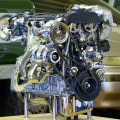
When it comes to maintaining your vehicle, understanding the concept of a tune-up is essential for every car owner. A tune-up is not merely a routine check; it is a comprehensive service designed to enhance your car's performance and longevity. This process involves inspecting and replacing critical components of your engine, ensuring that everything operates smoothly and efficiently. By prioritizing regular tune-ups, you can significantly improve your vehicle's reliability and prevent costly repairs down the line.The significance of a tune-up extends beyond just engine performance.
It plays a vital role in overall car maintenance. During a tune-up, various elements such as spark plugs, air filters, and ignition systems are meticulously examined. These components are crucial for optimal engine function, and neglecting them can lead to decreased fuel efficiency, increased emissions, and even engine failure. By addressing these issues proactively through regular tune-ups, you not only enhance your car's performance but also contribute to a healthier environment.Moreover, understanding the importance of a tune-up can empower you as a car owner.
It allows you to recognize the signs that indicate your vehicle may need attention. For instance, if you notice rough idling or difficulty starting your engine, these could be early warning signs that a tune-up is overdue. By being aware of these indicators and scheduling timely services, you can ensure that your vehicle remains in peak condition.In summary, a tune-up is an integral part of effective car maintenance that directly impacts engine performance. By committing to regular tune-ups, you are investing in the longevity of your vehicle while enhancing its efficiency and reliability.
As we delve deeper into this topic, we will explore the specific components involved in a tune-up and how they contribute to the overall health of your car.
The Components of a Tune-Up
Understanding the various components involved in a tune-up is essential for car owners who want to maintain their vehicle's performance and longevity. Each part plays a crucial role in ensuring that your engine runs smoothly and efficiently. Here are the key components typically checked and replaced during a tune-up:- Spark Plugs: Spark plugs are vital for igniting the air-fuel mixture in the engine's combustion chamber. Over time, they can wear out or become fouled, leading to misfires, reduced fuel efficiency, and poor engine performance.
During a tune-up, old spark plugs are removed and replaced with new ones to ensure optimal ignition and engine responsiveness.
- Ignition System: The ignition system includes components such as ignition coils, wires, and distributor caps. These parts work together to deliver electrical current to the spark plugs. A malfunctioning ignition system can cause starting issues and erratic engine behavior. Technicians will inspect these components for signs of wear or damage and replace them as necessary.
- Air Filters: The air filter prevents dirt and debris from entering the engine, ensuring that it receives clean air for combustion.
A clogged air filter can restrict airflow, leading to decreased performance and increased fuel consumption. During a tune-up, the air filter is checked and replaced if it shows signs of excessive dirt or damage.
- Fuel Filters: Similar to air filters, fuel filters keep contaminants out of the fuel system. A dirty fuel filter can lead to poor engine performance and stalling. Replacing the fuel filter during a tune-up helps maintain proper fuel flow and engine efficiency.
- Belt and Hose Inspection: Belts and hoses are critical for various engine functions, including cooling and power steering.
During a tune-up, these components are inspected for cracks, fraying, or leaks. Replacing worn belts and hoses can prevent breakdowns and costly repairs down the line.
Signs Your Car Needs a Tune-Up
Recognizing the signs that your car needs a tune-up is crucial for maintaining its performance and longevity. Ignoring these indicators can lead to more severe issues down the line, resulting in costly repairs and decreased safety.Here are some common signs that suggest your vehicle may require a tune-up:
- Rough Idling: If your engine is vibrating or shaking while idling, it could indicate that the spark plugs or fuel injectors are malfunctioning. This irregularity can affect overall engine performance.
- Difficulty Starting: Struggling to start your car can be a clear sign that your engine is not firing properly. This issue may stem from worn-out spark plugs or a failing ignition system.
- Decreased Fuel Efficiency: If you notice that you are filling up your gas tank more frequently than usual, it might be time for a tune-up. A poorly running engine can lead to increased fuel consumption.
- Engine Misfires: If your car experiences sudden jolts or hesitations while driving, this could indicate that the engine is misfiring.
This problem often arises from faulty spark plugs or ignition coils.
- Unusual Noises: Strange sounds such as knocking, pinging, or backfiring can signal underlying issues with the engine. These noises should not be ignored, as they may indicate serious problems that require immediate attention.
- Check Engine Light: The check engine light is designed to alert you to potential issues within your vehicle. If this light comes on, it’s essential to have your car diagnosed and serviced promptly.
If you notice any of these symptoms, consider scheduling a tune-up with a qualified mechanic to ensure your car remains in optimal condition.
The Benefits of Regular Tune-Ups
Regular tune-ups offer a multitude of benefits that can significantly enhance your vehicle's performance and longevity. By investing in this essential maintenance, car owners can enjoy improved fuel efficiency, better engine performance, and an overall increase in the lifespan of their vehicles.Improved Fuel Efficiency
One of the most immediate benefits of a regular tune-up is the enhancement of fuel efficiency. Over time, components such as spark plugs and air filters can become dirty or worn out, leading to inefficient combustion. When these parts are replaced or serviced during a tune-up, your engine can operate more smoothly and efficiently.
This not only helps in reducing fuel consumption but also saves you money at the pump.
Enhanced Engine Performance
A well-maintained engine performs better. Regular tune-ups ensure that all engine components are functioning optimally. For instance, replacing old spark plugs can lead to quicker starts and smoother acceleration. Additionally, a clean fuel system allows for better fuel atomization, which enhances power output and responsiveness.
Drivers often notice a marked improvement in their vehicle's acceleration and overall driving experience after a thorough tune-up.
Increased Vehicle Longevity
Regular maintenance through tune-ups is crucial for extending the life of your vehicle. By addressing minor issues before they escalate into major problems, you can avoid costly repairs down the line. Components that are regularly inspected and replaced as needed will contribute to a healthier engine and drivetrain. This proactive approach not only keeps your car running longer but also maintains its resale value.
Additional Benefits
- Reduced Emissions: A well-tuned engine produces fewer harmful emissions, contributing to a cleaner environment.
- Better Safety: Regular tune-ups can help identify potential safety issues, such as worn brake components or faulty lights.
- Peace of Mind: Knowing that your vehicle is in top condition allows for a more enjoyable driving experience.
The benefits extend beyond just immediate improvements; they contribute to long-term savings and reliability on the road.
How Often Should You Get a Tune-Up?
Determining how often you should schedule a tune-up for your vehicle is essential for maintaining its performance and longevity. The frequency of tune-ups can vary significantly based on several factors, including the age of your car, your driving habits, and the manufacturer's recommendations.Manufacturer Recommendations
Most vehicle manufacturers provide a maintenance schedule in the owner's manual, which includes specific intervals for tune-ups. Generally, it is advisable to follow these guidelines closely. For many modern vehicles, a tune-up is recommended every 30,000 to 100,000 miles.However, this can depend on the type of spark plugs used and the overall design of the engine.
Impact of Vehicle Age
The age of your car plays a significant role in determining how often you should get a tune-up. Older vehicles typically require more frequent maintenance due to wear and tear on mechanical components. For instance:- Classic Cars: If you own a classic or vintage car, consider scheduling a tune-up every 10,000 to 15,000 miles or at least once a year.
- Older Models: For cars manufactured before the 2000s, aim for a tune-up every 20,000 to 30,000 miles.
- Newer Models: Many newer cars with advanced electronic ignition systems may only need a tune-up every 60,000 to 100,000 miles.
Driving Habits Matter
Your driving habits can also influence how often you should schedule a tune-up. If you frequently drive in stop-and-go traffic or make short trips where the engine doesn’t reach optimal operating temperature, you may need more frequent maintenance.Here are some signs that indicate you might need a tune-up sooner:
- Decreased fuel efficiency
- Rough idling or stalling
- Difficulties starting the engine
- Unusual engine noises
DIY vs. Professional Tune-Ups: What You Need to Know
When it comes to maintaining your vehicle, one of the most significant decisions you'll face is whether to perform a DIY tune-up or to seek out a professional service. Each approach has its own set of advantages and disadvantages, and understanding these can help you make an informed choice that best suits your needs and budget.Pros of DIY Tune-Ups
- Cost Savings: One of the most appealing aspects of a DIY tune-up is the potential for significant cost savings.
By purchasing parts and performing the work yourself, you can avoid labor costs associated with professional services.
- Learning Experience: Engaging in a DIY tune-up can be an educational experience. It allows you to gain hands-on knowledge about your vehicle, which can be beneficial for future maintenance tasks.
- Flexibility: You can choose when to perform the tune-up based on your schedule, rather than relying on the availability of a shop.
Cons of DIY Tune-Ups
- Time-Consuming: Depending on your skill level, a DIY tune-up can take significantly longer than anticipated, especially if you encounter unexpected issues.
- Lack of Expertise: If you're not familiar with car maintenance, you may overlook critical components or make mistakes that could lead to further issues down the line.
- Limited Tools: Professional mechanics have access to specialized tools and diagnostic equipment that may not be available to the average car owner.
Pros of Professional Tune-Ups
- Expertise: Professional mechanics have extensive training and experience, allowing them to identify and address issues that a DIYer might miss.
- Warranty Protection: Many professional services offer warranties on their work, providing peace of mind that any problems will be addressed without additional costs.
- Efficiency: Professionals can often complete a tune-up more quickly due to their experience and access to specialized tools.
Cons of Professional Tune-Ups
- Higher Costs: The most significant drawback is typically the cost. Labor charges can add up quickly, making professional services more expensive than DIY options.
- Scheduling Issues: You may need to work around the shop's schedule, which can be inconvenient if you have limited time.
However, if you're unsure about your skills or prefer convenience and expertise, opting for a professional service may be the better choice. Ultimately, consider your budget, time constraints, and comfort level with car maintenance when making your decision.
Additional Services to Consider During a Tune-Up
While a tune-up primarily focuses on the engine's core components, it also presents an excellent opportunity to address other essential services that can enhance your vehicle's performance and longevity. Here are some additional services to consider during your next tune-up:Fuel Injection Cleaning
One of the most beneficial services you can include during a tune-up is fuel injection cleaning. Over time, fuel injectors can become clogged with deposits from fuel and contaminants, leading to poor engine performance, reduced fuel efficiency, and increased emissions.A thorough cleaning of the fuel injection system can restore optimal fuel flow and improve combustion efficiency.During this service, a specialized cleaning solution is introduced into the fuel system, which helps dissolve and remove any buildup on the injectors. This process not only enhances engine performance but also contributes to better fuel economy, allowing you to save money at the pump.
Air Filter Replacement
The air filter plays a crucial role in maintaining your engine's health by ensuring that clean air enters the combustion chamber. A dirty or clogged air filter can restrict airflow, leading to decreased engine performance and increased fuel consumption. Therefore, replacing the air filter during a tune-up is highly recommended.A clean air filter allows for optimal airflow, which is essential for efficient combustion.This simple replacement can lead to noticeable improvements in acceleration and overall engine responsiveness. Additionally, it helps protect your engine from harmful particles that could cause wear and tear over time.
Other Considerations
- Fluid Checks: During a tune-up, it's wise to check all essential fluids, including engine oil, coolant, brake fluid, and transmission fluid. Ensuring these fluids are at proper levels and in good condition can prevent potential issues down the road.
- Belt and Hose Inspection: Inspecting drive belts and hoses for signs of wear or damage is crucial. Replacing worn belts or hoses during a tune-up can prevent breakdowns and costly repairs later.
- Tire Rotation: While not directly related to the engine, rotating your tires during a tune-up can help ensure even tire wear and extend their lifespan.
By taking a comprehensive approach to maintenance, you can ensure that your car remains in peak condition for years to come.
Choosing the Right Parts for Your Tune-Up
When it comes to performing a tune-up, selecting the right parts is crucial for ensuring your vehicle runs smoothly and efficiently. The components you choose can significantly impact your car's performance, fuel efficiency, and overall longevity. Here’s a closer look at how to choose the right parts for your tune-up, focusing on spark plug types and the differences between OEM and aftermarket parts.Understanding Spark Plug Types
Spark plugs are one of the most critical components in your engine's ignition system. They ignite the air-fuel mixture in the combustion chamber, making their quality paramount.There are several types of spark plugs available:
- Standard Copper Spark Plugs: These are the most common type and are typically less expensive. However, they have a shorter lifespan, usually around 20,000 to 30,000 miles.
- Platinum Spark Plugs: Offering better durability than copper plugs, platinum spark plugs can last up to 100,000 miles. They provide improved performance and fuel efficiency.
- Iridium Spark Plugs: These are the most advanced type of spark plug, known for their longevity and performance. Iridium plugs can last over 100,000 miles and offer superior ignition capabilities.
Always consult your owner's manual for recommendations.
OEM vs. Aftermarket Parts
Another important consideration when selecting parts for your tune-up is whether to go with OEM (Original Equipment Manufacturer) or aftermarket parts. Each option has its pros and cons:- OEM Parts: These are made by the vehicle's manufacturer and are designed to meet specific standards. They often come with a warranty and ensure compatibility with your vehicle.
However, they can be more expensive than aftermarket options.
- Aftermarket Parts: These parts are produced by third-party manufacturers and can vary widely in quality. While they may be more affordable, it's essential to research brands and read reviews to ensure you’re getting a reliable product.
Conclusion: The Long-Term Value of Regular Tune-Ups
In summary, the significance of regular tune-ups cannot be overstated when it comes to maintaining your vehicle's health and performance.Throughout this article, we have explored various aspects of what a tune-up entails, the components involved, and the benefits that come from adhering to a consistent maintenance schedule.Regular tune-ups serve as a proactive measure to identify and rectify potential issues before they escalate into costly repairs. By routinely checking essential components such as spark plugs, air filters, and ignition systems, you not only enhance your car's efficiency but also extend its lifespan. This preventive approach can lead to significant savings in both time and money over the long run.Moreover, a well-maintained vehicle is not just about performance; it also contributes to safety on the road. A car that runs smoothly is less likely to experience breakdowns or malfunctions that could endanger you and your passengers.
Therefore, prioritizing regular tune-ups is an investment in your safety as well as your vehicle's reliability.As we have discussed, the frequency of tune-ups may vary based on factors such as your car's age, driving habits, and manufacturer recommendations. However, being attentive to signs that indicate a need for a tune-up—like rough idling or difficulty starting—can help you stay ahead of potential problems.In conclusion, making regular tune-ups a part of your vehicle maintenance routine is essential for ensuring optimal performance and longevity. By committing to this practice, you are not only enhancing your driving experience but also safeguarding your investment in your vehicle. Remember, a little attention today can lead to a lot of benefits tomorrow.