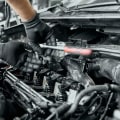
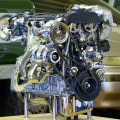
A tune-up is a crucial aspect of vehicle maintenance that involves a series of checks and adjustments designed to keep your car running smoothly and efficiently. While the term may vary in meaning depending on the context, it generally refers to a comprehensive inspection of your vehicle's engine and related systems. This process typically includes replacing worn-out components such as spark plugs, air filters, and fuel filters, as well as checking and adjusting the ignition timing and idle speed. By performing these essential tasks, you can ensure that your vehicle operates at its best, much like following the Essential Guide to Regular Garage Door Maintenance ensures your garage door functions properly, providing you with a safer and more reliable driving experience.The importance of regular tune-ups cannot be overstated. is a crucial aspect of vehicle maintenance that involves a series of checks and adjustments designed to keep your car running smoothly and efficiently. While the term may vary in meaning depending on the context, it generally refers to a comprehensive inspection of your vehicle's engine and related systems. This process typically includes replacing worn-out components such as spark plugs, air filters, and fuel filters, as well as checking and adjusting the ignition timing and idle speed. By performing these essential tasks, you can ensure that your vehicle operates at its best, much like following the Essential Guide to Regular Garage Door Maintenance ensures your garage door functions properly, providing you with a safer and more reliable driving experience.The importance of regular tune-ups cannot be overstated.
Just like any other machine, your vehicle requires routine care to function optimally. Over time, various engine components can wear down or become dirty, leading to decreased performance, reduced fuel efficiency, and even potential breakdowns. A well-timed tune-up can help identify and rectify these issues before they escalate into more significant problems that could result in costly repairs or even complete engine failure.Moreover, regular tune-ups contribute to the longevity of your vehicle. By investing in this preventive maintenance, you not only enhance your car's performance but also extend its lifespan.
A well-maintained engine runs more efficiently, which translates to better fuel economy and lower emissions. This is particularly important in today's environmentally conscious world, where reducing your carbon footprint is a priority for many drivers.In summary, understanding what a tune-up entails and recognizing its significance in vehicle maintenance is essential for any car owner. By prioritizing regular tune-ups, you can ensure that your vehicle remains in peak condition, providing you with peace of mind on the road while saving you money in the long run.
Key Components of a Tune-Up
A comprehensive tune-up is essential for maintaining your vehicle's performance and longevity. It involves several key components that work together to ensure your engine runs smoothly and efficiently.Below, we outline the primary elements included in a typical tune-up.
- Spark Plug Replacement: Spark plugs are crucial for igniting the air-fuel mixture in the engine's cylinders. Over time, they can wear out or become fouled, leading to misfires, reduced fuel efficiency, and poor acceleration. Regularly replacing spark plugs can enhance engine performance and fuel economy.
- Oil Change: Engine oil lubricates moving parts, reduces friction, and helps dissipate heat. During a tune-up, changing the oil and replacing the oil filter is vital to keep the engine clean and functioning optimally.
Fresh oil helps prevent sludge buildup and ensures that all components operate smoothly.
- Air Filter Inspection: The air filter prevents dirt and debris from entering the engine. A clogged air filter can restrict airflow, leading to decreased performance and increased fuel consumption. Replacing or cleaning the air filter during a tune-up ensures that your engine receives adequate airflow for combustion.
- Fuel System Cleaning: Over time, fuel injectors can become clogged with deposits, affecting fuel delivery and engine performance. A tune-up often includes cleaning the fuel system to remove these deposits, ensuring optimal fuel flow and combustion efficiency.
- Battery Check: The battery is essential for starting your vehicle and powering electrical systems.
During a tune-up, technicians will check the battery's charge level, clean terminals, and inspect for any signs of corrosion or wear that could lead to starting issues.
- Sensor Cleaning: Modern vehicles are equipped with various sensors that monitor engine performance. Cleaning these sensors can help maintain accurate readings and improve overall efficiency. This includes mass airflow sensors and oxygen sensors, which play critical roles in fuel management.
- Belt and Hose Inspection: Belts and hoses are vital for various engine functions, including cooling and power steering. Inspecting these components for wear or damage during a tune-up can prevent unexpected breakdowns and costly repairs.
By adhering to a regular tune-up checklist, you can ensure that your car remains reliable and performs at its best. Neglecting these essential maintenance tasks can lead to more severe issues down the line, making routine tune-ups an investment in your vehicle's future.
The Importance of Regular Tune-Ups
Regular tune-ups are a crucial aspect of vehicle maintenance that can significantly enhance your car's performance and longevity. By investing in routine tune-ups, you not only ensure that your vehicle runs smoothly but also reap a multitude of benefits that contribute to its overall health.Improved Fuel Efficiency
One of the most immediate benefits of a regular tune-up is improved fuel efficiency. Over time, components such as spark plugs, air filters, and fuel injectors can become dirty or worn out, leading to inefficient combustion.
A thorough tune-up addresses these issues by replacing or cleaning these parts, which can lead to better gas mileage. In fact, studies have shown that a well-maintained engine can improve fuel economy by up to 15%.
Enhanced Engine Performance
A tune-up helps to optimize engine performance by ensuring that all components are functioning correctly. This includes checking the ignition system, fuel system, and exhaust system. When these systems are in top shape, your vehicle will respond better during acceleration, provide smoother rides, and deliver more power when needed.
This enhanced performance not only makes driving more enjoyable but also increases safety on the road.
Prevention of Costly Repairs
Regular tune-ups can save you from expensive repairs down the line. By identifying and addressing minor issues before they escalate into major problems, you can avoid costly breakdowns and repairs. For instance, neglecting to replace worn spark plugs can lead to engine misfires, which may result in severe engine damage if left unchecked. A proactive approach through routine maintenance can help you catch these issues early.
Increased Vehicle Lifespan
Just like any other machine, your vehicle requires regular care to function optimally over time.
Regular tune-ups contribute to the overall health of your car, helping it last longer and perform better throughout its lifespan. By maintaining your vehicle with consistent tune-ups, you are making an investment in its future reliability.
Peace of Mind
Finally, knowing that your vehicle is well-maintained provides peace of mind while driving. You can feel confident that your car is less likely to break down unexpectedly and that it will perform reliably when you need it most.In conclusion, the benefits of regular tune-ups extend far beyond mere performance enhancements. From improved fuel efficiency and engine performance to the prevention of costly repairs and increased vehicle lifespan, routine maintenance is essential for any car owner looking to protect their investment.
Signs Your Vehicle Needs a Tune-Up
Recognizing the signs that your vehicle needs a tune-up is crucial for maintaining its performance and longevity.Ignoring these indicators can lead to more severe issues and costly repairs down the line. Here are some common symptoms that suggest it’s time to schedule a tune-up:
- Strange Noises: If you hear unusual sounds such as knocking, pinging, or hissing while driving, it may indicate that your engine is not functioning optimally. These noises can stem from various issues, including worn-out spark plugs or problems with the fuel system.
- Decreased Performance: A noticeable drop in your vehicle's acceleration or overall power can be a sign that it needs a tune-up. If your car struggles to reach higher speeds or feels sluggish during normal driving conditions, it’s time to investigate further.
- Increased Fuel Consumption: If you find yourself filling up your gas tank more frequently than usual, it could be due to an inefficient engine.
A proper tune-up can help improve fuel efficiency by ensuring that all components are working together effectively.
- Warning Lights: Pay attention to your dashboard warning lights. The check engine light, in particular, can indicate a variety of issues that may require a tune-up. If this light comes on, it’s essential to have your vehicle checked as soon as possible.
- Rough Idling: If your engine shakes or vibrates while idling, this could signal a problem with the spark plugs or fuel injectors. A smooth idle is a sign of a well-tuned engine.
- Difficulty Starting: If your vehicle has trouble starting or requires multiple attempts to turn over, this could indicate issues with the ignition system or battery.
Regular tune-ups can help prevent these frustrating situations.
How Often Should You Get a Tune-Up?
Determining how often to schedule a tune-up for your vehicle is crucial for maintaining its performance and longevity. The frequency of tune-ups can vary significantly based on several factors, including the age of your vehicle, your driving habits, and the manufacturer's recommendations.1.Vehicle Age and Type
- Newer vehicles, particularly those manufactured in the last decade, often come equipped with advanced technology that allows them to go longer between tune-ups.
Many modern cars can operate effectively for 25,000 to 100,000 miles before requiring a tune-up.
- In contrast, older vehicles may need more frequent attention. For these cars, a tune-up is typically recommended every 10,000 to 12,000 miles.
2.Driving Conditions
- Your driving habits play a significant role in determining how often you should get a tune-up. If you frequently drive in stop-and-go traffic or often carry heavy loads, your vehicle may experience more wear and tear.
- For those who drive under harsh conditions—such as extreme temperatures or on rough terrain—more frequent tune-ups may be necessary to ensure optimal performance.
3.Manufacturer Recommendations
Always refer to your vehicle's owner manual for specific guidelines regarding tune-up intervals. Manufacturers provide detailed maintenance schedules tailored to the specific needs of each model.
Following these recommendations can help you avoid unnecessary repairs and keep your vehicle running smoothly.
4.Signs That Indicate a Tune-Up is Needed
- If you notice a decrease in fuel efficiency or engine performance, it may be time for a tune-up.
- Strange noises from the engine or difficulty starting the vehicle are also indicators that maintenance is required.
DIY vs. Professional Tune-Ups
When it comes to maintaining your vehicle, one of the most significant decisions you’ll face is whether to perform a tune-up yourself or hire a professional mechanic. Each option has its own set of advantages and disadvantages, and understanding these can help you make an informed choice.DIY Tune-Up Tips
For those who are mechanically inclined or simply enjoy working on their cars, a DIY tune-up can be a rewarding experience.Here are some essential tips for conducting your own tune-up:
- Gather the Right Tools: Before starting, ensure you have the necessary tools, including wrenches, screwdrivers, pliers, and a spark plug socket. A repair manual specific to your vehicle can also be invaluable.
- Replace Spark Plugs: One of the most common tasks in a tune-up is replacing spark plugs. Make sure to use the correct type for your vehicle and follow the manufacturer’s specifications for gap settings.
- Change the Oil: Regular oil changes are crucial for engine health. Use high-quality oil and replace the oil filter to ensure optimal performance.
- Inspect Belts and Hoses: Check for any signs of wear or cracking in belts and hoses.
Replacing these components can prevent more significant issues down the road.
- Clean Air Filter: A clean air filter improves engine efficiency. If it’s dirty, replace it to enhance airflow and performance.
Professional vs. DIY Tune-Up
While DIY tune-ups can save money and provide a sense of accomplishment, there are situations where hiring a professional is advisable:- Complex Issues: If your vehicle exhibits complex problems such as engine misfires or unusual noises, it’s best to consult a professional who has diagnostic tools and expertise.
- Lack of Time: If you have a busy schedule or lack the time to dedicate to a thorough tune-up, hiring a mechanic can ensure that the job is done correctly and efficiently.
- Warranty Considerations: Some warranties require that maintenance be performed by certified professionals. Check your warranty terms before deciding on a DIY approach.
When to Hire a Mechanic for a Tune-Up
If you’re unsure about your ability to perform certain tasks or if your vehicle requires specialized knowledge, it’s wise to seek professional help.Mechanics can provide comprehensive inspections and address issues that may not be apparent during a DIY tune-up. Additionally, they often have access to advanced diagnostic equipment that can pinpoint problems quickly.In conclusion, whether you choose to tackle a tune-up yourself or hire a professional depends on your comfort level with automotive work, the complexity of the tasks at hand, and your available time. Weighing these factors will help you maintain your vehicle effectively while ensuring its longevity and performance.
Cost Considerations for Tune-Ups
When it comes to maintaining your vehicle, understanding the cost of a tune-up is essential for effective budgeting. The average cost of a tune-up can vary significantly based on several factors, including the make and model of your vehicle, the type of services included, and your geographical location.On average, you can expect to pay between $50 and $150 for a basic tune-up.This typically includes essential services such as:
- Replacing spark plugs
- Changing the oil and oil filter
- Inspecting and cleaning air filters
- Checking fluid levels and topping off as necessary
- Examining belts and hoses for wear
Factors Influencing Tune-Up Costs
Several factors can influence the overall cost of a tune-up:- Vehicle Age: Older cars may require more frequent tune-ups and additional parts replacement, which can increase costs.
- Type of Engine: Vehicles with complex engines or those that use premium fuel may have higher maintenance costs.
- Service Provider: Dealerships often charge more than independent mechanics due to their specialized knowledge and access to OEM parts.
- Location: Labor rates can vary widely depending on where you live. Urban areas typically have higher costs compared to rural locations.
By understanding the factors that influence these costs, you can make informed decisions about your car's maintenance needs.
Conclusion: The Long-Term Value of Regular Tune-Ups
In summary, the significance of regular tune-ups for your vehicle cannot be overstated. These essential maintenance procedures not only enhance your car's performance but also extend its lifespan, ensuring that you get the most out of your investment. By adhering to a routine schedule of tune-ups, you can proactively address potential issues before they escalate into costly repairs.Throughout this article, we have explored various aspects of vehicle tune-ups, including:- Improved Performance: Regular tune-ups help maintain optimal engine performance by ensuring that all components are functioning correctly. This leads to better fuel efficiency and a smoother driving experience.
- Cost Savings: Investing in routine maintenance can save you money in the long run by preventing major repairs and reducing fuel consumption.
- Safety Enhancements: A well-maintained vehicle is safer to drive.
Tune-ups can identify and rectify issues that may compromise your safety on the road.
- Environmental Benefits: By keeping your engine running efficiently, you contribute to lower emissions, making your vehicle more environmentally friendly.
Remember, a well-tuned engine is not just about performance; it’s about peace of mind on every journey.