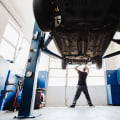
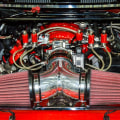
When it comes to maintaining your vehicle, understanding the concept of a tune-up is essential. A tune-up is not merely a routine check; it is a comprehensive service designed to enhance your car's performance and extend its lifespan. This process typically involves a series of inspections and replacements that ensure your vehicle operates at its best. From changing spark plugs to replacing air filters, each component plays a crucial role in the overall health of your engine.The importance of regular tune-ups cannot be overstated.
Over time, various engine components can wear down or become less efficient, leading to decreased performance and increased fuel consumption. By scheduling regular tune-ups, you can catch potential issues before they escalate into costly repairs. This proactive approach not only saves you money in the long run but also ensures that your vehicle remains reliable and safe on the road.Moreover, a well-maintained vehicle contributes to better fuel efficiency and lower emissions, making it an environmentally friendly choice. Regular tune-ups help keep your engine clean and running smoothly, which is beneficial for both your wallet and the planet.
In essence, understanding what a tune-up entails and its significance in vehicle maintenance is key to ensuring that your car remains in optimal condition for years to come.
Key Components of a Tune-Up
When it comes to maintaining your vehicle, understanding the key components of a tune-up is essential for ensuring optimal performance and longevity. A comprehensive tune-up involves several critical elements, each playing a vital role in the overall health of your car.Spark Plugs
Spark plugs
are one of the most crucial components of a tune-up. They ignite the air-fuel mixture in the engine's combustion chamber, which is essential for generating power. Over time, spark plugs can wear out or become fouled due to carbon buildup, leading to misfires, reduced fuel efficiency, and poor engine performance.
Regularly replacing spark plugs not only enhances engine efficiency but also helps in maintaining smoother operation and better fuel economy.
Air Filters
The air filter is another vital component that should not be overlooked during a tune-up. Its primary function is to prevent dirt and debris from entering the engine, ensuring that only clean air mixes with fuel for combustion. A clogged air filter can restrict airflow, leading to decreased engine performance and increased fuel consumption. Replacing the air filter at regular intervals helps maintain optimal airflow and improves overall engine efficiency.Fuel System Cleaning
A thorough fuel system cleaning is often included in a complete tune-up service.This process involves removing deposits from fuel injectors and other components of the fuel system that can accumulate over time. Dirty injectors can lead to poor fuel atomization, resulting in inefficient combustion and increased emissions. By cleaning the fuel system, you ensure that your engine receives the proper amount of fuel for optimal performance, which can also enhance fuel economy.In summary, each component of a tune-up plays a significant role in maintaining your vehicle's performance. Regular attention to spark plugs, air filters, and the fuel system can lead to improved efficiency, reduced emissions, and a longer lifespan for your vehicle.
Signs Your Vehicle Needs a Tune-Up
Recognizing the signs that your vehicle needs a tune-up is crucial for maintaining its performance and longevity.Ignoring these indicators can lead to more significant issues down the road, potentially costing you more in repairs. Here are some common signs that suggest it might be time for a tune-up:
- Decreased Fuel Efficiency: If you notice that your vehicle is consuming more fuel than usual, it could be a sign of worn spark plugs or a clogged air filter. A proper tune-up can help restore optimal fuel efficiency.
- Rough Idling: When your engine idles roughly or vibrates excessively, it may indicate that the spark plugs are failing or that there are issues with the ignition system. A tune-up can address these problems and ensure smoother operation.
- Difficulty Starting: If your vehicle struggles to start or requires multiple attempts, it may be time for a tune-up.
This could be due to faulty spark plugs, ignition cables, or even battery issues.
- Engine Warning Light: The check engine light can illuminate for various reasons, including issues that a tune-up can resolve. If this light appears on your dashboard, it’s wise to have your vehicle inspected.
- Unusual Noises: Any strange sounds coming from the engine, such as knocking or pinging, can indicate underlying problems that need attention. A comprehensive tune-up can help identify and rectify these issues.
- Excessive Emissions: If your vehicle is emitting more exhaust than usual or if you fail an emissions test, it may be time for a tune-up. This service can help reduce harmful emissions and improve overall engine performance.
Regularly scheduled tune-ups not only enhance performance but also extend the life of your vehicle. If you experience any of these symptoms or if it's been a while since your last tune-up, consider scheduling an appointment with a trusted mechanic to ensure your vehicle remains in top condition.
The Benefits of Regular Tune-Ups
Regular tune-ups are essential for maintaining the health and performance of your vehicle. One of the most significant benefits of these maintenance services is the improvement in overall vehicle performance. A well-tuned engine runs more smoothly, providing a more enjoyable driving experience.This enhanced performance can be attributed to several factors, including:
- Optimized Engine Efficiency: During a tune-up, components such as spark plugs, air filters, and fuel injectors are inspected and replaced if necessary. This ensures that the engine operates at its peak efficiency, leading to better acceleration and responsiveness.
- Improved Fuel Economy: A properly tuned engine consumes fuel more efficiently. By replacing worn-out parts and ensuring that the fuel system is clean, you can experience a noticeable increase in miles per gallon (MPG), which translates to savings at the pump.
- Reduced Emissions: Regular tune-ups help in minimizing harmful emissions produced by your vehicle. By ensuring that the engine burns fuel more completely, you contribute to a cleaner environment while also complying with emissions regulations.
Many vehicle owners underestimate the importance of preventive maintenance, often waiting until a problem arises before seeking help. However, investing in routine tune-ups can help identify and address minor issues before they escalate into major repairs. Here’s how:
- Early Detection of Problems: During a tune-up, mechanics conduct thorough inspections of various engine components. This proactive approach allows for early detection of issues such as leaks, worn belts, or failing sensors, which can be addressed before they lead to costly breakdowns.
- Extended Lifespan of Vehicle Components: Regular maintenance not only keeps your engine running smoothly but also extends the lifespan of critical components.
For instance, timely replacement of spark plugs and filters can prevent excessive wear on the engine, ultimately saving you money on replacements.
- Avoiding Emergency Repairs: Vehicles that receive regular tune-ups are less likely to experience unexpected failures. This reliability means fewer trips to the repair shop and less money spent on emergency fixes.
How Often Should You Get a Tune-Up?
Determining how often to schedule a tune-up for your vehicle is essential for maintaining its performance and longevity.While many drivers may have a general idea, the frequency of tune-ups can vary significantly based on several factors, including the make and model of the vehicle, driving conditions, and manufacturer recommendations.
Manufacturer Recommendations
- Most vehicle manufacturers provide specific guidelines in the owner’s manual regarding when to perform a tune-up. These recommendations are typically based on mileage or time intervals.
- For many modern vehicles, a tune-up is recommended every 30,000 to 100,000 miles. However, it’s crucial to consult your owner’s manual for the exact specifications for your car.
Driving Conditions
Your driving habits and conditions can also influence how often you should get a tune-up. If you frequently drive in harsh conditions—such as:
- Heavy traffic
- Extreme temperatures
- Off-road environments
- Short trips where the engine doesn’t reach optimal operating temperature
In such cases, consider having a tune-up every 15,000 to 30,000 miles.
Signs That Indicate a Tune-Up is Needed
In addition to following scheduled maintenance, be attentive to signs that your vehicle may need a tune-up. These can include:
- Poor fuel economy
- Engine misfires or rough idling
- Difficulty starting the engine
- Unusual noises from the engine compartment
- Check engine light illumination
Conclusion
Regularly scheduling tune-ups based on manufacturer recommendations and your driving habits is vital for keeping your vehicle in optimal condition. By staying proactive about maintenance, you can enhance your car's performance and extend its lifespan.
Frequently Asked Questions About Tune-Ups
When it comes to vehicle maintenance, tune-ups often raise a variety of questions among car owners. Understanding what to expect can help you make informed decisions about your vehicle's care.Here are some frequently asked questions regarding tune-ups:
What is included in a typical tune-up?
A standard tune-up generally includes several key services aimed at optimizing your vehicle's performance. These may involve:- Replacing spark plugs and ignition wires
- Changing the engine oil and oil filter
- Inspecting and replacing air and fuel filters
- Checking the battery and its connections
- Examining the fuel system for clogs or leaks
- Testing the ignition system for efficiency
How often should I get a tune-up?
The frequency of tune-ups can vary based on your vehicle's make, model, and age. Generally, it is recommended to have a tune-up every 30,000 to 100,000 miles. However, consulting your owner's manual will provide specific guidelines tailored to your vehicle.What signs indicate that my vehicle needs a tune-up?
There are several warning signs that may suggest it's time for a tune-up.These include:
- Poor fuel economy
- Difficulty starting the engine
- Rough idling or stalling
- Decreased acceleration or power
- Unusual engine noises or vibrations
Can I perform a tune-up myself?
If you have some mechanical knowledge and the right tools, you may be able to perform basic aspects of a tune-up yourself. However, for more complex tasks such as adjusting ignition timing or cleaning fuel injectors, it’s advisable to seek professional assistance. This ensures that all components are properly serviced and reduces the risk of further issues.In summary, regular tune-ups are essential for maintaining your vehicle's health and performance. By addressing these common questions, we hope to enhance your understanding and encourage proactive maintenance practices.Conclusion: Investing in Your Vehicle's Health with Regular Tune-Ups
In conclusion, prioritizing regular tune-ups for your vehicle is not just a matter of routine maintenance; it is a vital investment in the overall health and longevity of your car.As we have explored throughout this article, the benefits of consistent tune-ups extend far beyond mere performance enhancements. They play a crucial role in ensuring safety, improving fuel efficiency, and ultimately saving you money in the long run.By regularly replacing essential components such as spark plugs, air filters, and oil, you are actively contributing to the smooth operation of your engine. This proactive approach helps to prevent more significant issues from arising, which can lead to costly repairs and unexpected breakdowns. Moreover, a well-maintained vehicle is less likely to experience performance dips that can affect your driving experience.Additionally, regular tune-ups can enhance your vehicle's resale value.
A car that has been consistently maintained demonstrates to potential buyers that it has been cared for, making it a more attractive option in the used car market. This aspect is particularly important if you plan to sell or trade in your vehicle in the future.Furthermore, understanding the signs that indicate your vehicle needs a tune-up—such as decreased fuel efficiency, rough idling, or difficulty starting—can empower you as a car owner. By being vigilant and addressing these issues promptly, you can ensure that your vehicle remains reliable and efficient.In summary, investing in regular tune-ups is an essential practice for any vehicle owner who values performance, safety, and longevity. By committing to this maintenance routine, you are not only enhancing your driving experience but also safeguarding your investment for years to come.
Make it a point to consult your owner's manual for specific recommendations and schedule your next tune-up with a trusted automotive professional today.