A tune-up is a critical aspect of vehicle maintenance that ensures your car operates at its best. It involves a series of inspections and adjustments designed to enhance engine performance, improve fuel efficiency, and extend the lifespan of your vehicle. While many drivers may overlook the importance of regular tune-ups, understanding their significance can lead to better vehicle health and a more enjoyable driving experience.At its core, a tune-up typically includes replacing worn-out components such as spark plugs, air filters, and fuel filters. These parts play a vital role in the engine's operation, and neglecting them can result in decreased performance and increased emissions.
Additionally, a thorough tune-up often involves checking the ignition system, fuel system, and other essential engine components to identify any potential issues before they escalate into costly repairs.The importance of regular tune-ups cannot be overstated. Not only do they help maintain optimal engine performance, but they also contribute to overall vehicle safety. A well-maintained vehicle is less likely to experience breakdowns or malfunctions on the road, providing peace of mind for drivers and passengers alike. Furthermore, regular maintenance can lead to significant savings in fuel costs over time, as an efficiently running engine consumes less fuel.In summary, understanding what a tune-up entails and its role in vehicle maintenance is crucial for any car owner.
By prioritizing regular tune-ups, you can ensure that your vehicle remains reliable and efficient for years to come. This proactive approach not only enhances your driving experience but also protects your investment in your vehicle.
Key Components of a Tune-Up
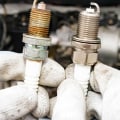
A comprehensive tune-up is essential for maintaining your vehicle's performance and longevity. It involves a thorough inspection and servicing of various components that play a critical role in the engine's efficiency. Here are the key components typically included in a tune-up:- Spark Plugs: These small but vital components ignite the air-fuel mixture in the engine's cylinders.
Over time, spark plugs can wear out, leading to misfires, reduced fuel efficiency, and increased emissions. Regular replacement ensures optimal engine performance.
- Air Filter: The air filter prevents dirt and debris from entering the engine, which can cause damage and reduce efficiency. A clean air filter allows for better airflow, improving combustion and overall engine performance. It’s recommended to replace the air filter during each tune-up.
- Fuel Filter: This component filters impurities from the fuel before it reaches the engine.
A clogged fuel filter can lead to poor engine performance and starting issues. Replacing the fuel filter during a tune-up helps maintain proper fuel flow and engine health.
- PCV Valve: The Positive Crankcase Ventilation (PCV) valve helps regulate harmful emissions from the engine. A malfunctioning PCV valve can lead to increased oil consumption and engine sludge buildup. Cleaning or replacing this valve is often part of a thorough tune-up.
- Ignition System Components: This includes ignition coils, wires, and distributors (if applicable).
These parts are crucial for delivering electrical current to the spark plugs. Inspecting these components ensures that your vehicle starts smoothly and runs efficiently.
- Battery Check: While not always included in a traditional tune-up, checking the battery's condition is essential for reliable vehicle operation. A weak or failing battery can lead to starting issues and should be tested regularly.
By investing in regular tune-ups, you not only enhance your vehicle's performance but also extend its lifespan, ultimately saving you money on repairs in the long run.
Benefits of Regular Tune-Ups
Regular tune-ups are essential for maintaining the health and performance of your vehicle. One of the most significant benefits of these routine services is improved fuel efficiency. When your engine components, such as spark plugs and air filters, are in optimal condition, your vehicle can operate more efficiently. This means that less fuel is wasted, leading to savings at the pump over time.Another critical advantage of regular tune-ups is enhanced engine performance.A well-maintained engine runs smoother and responds better to acceleration. During a tune-up, technicians inspect and replace worn-out parts, ensuring that everything functions harmoniously. This not only improves the driving experience but also reduces the likelihood of unexpected breakdowns.Moreover, regular tune-ups contribute significantly to the longevity of your vehicle. Just like any other machine, your car requires consistent care to function optimally.
By addressing minor issues before they escalate into major problems, you can extend the lifespan of your vehicle. This proactive approach can save you from costly repairs down the line.Additionally, regular maintenance through tune-ups can help maintain your vehicle's resale value. A car that has been consistently serviced and well-maintained is more attractive to potential buyers. They are likely to pay a premium for a vehicle with a documented history of care, which can be a significant advantage when it comes time to sell or trade in your car.In summary, the benefits of regular tune-ups are manifold: from improved fuel efficiency and enhanced engine performance to increased longevity and better resale value.
These advantages underscore the necessity of incorporating tune-ups into your vehicle maintenance routine. By investing in regular tune-ups, you are not just ensuring a smoother ride; you are also safeguarding your investment for years to come.
How Often Should You Get a Tune-Up?
Determining how often to schedule a tune-up is crucial for maintaining your vehicle's performance and longevity. While the general recommendation is to have a tune-up approximately once a year, several factors can influence this frequency, including your vehicle's age, mileage, and driving conditions.Mileage Guidelines
- For most vehicles, a tune-up is recommended every 30,000 miles. However, this can vary based on the make and model of your car.
- If you drive in severe conditions—such as heavy traffic, extreme temperatures, or on rough roads—you may need to schedule a tune-up more frequently.
- Older vehicles may require more regular maintenance due to wear and tear on components that newer models may not experience.
Age of the Vehicle
- Newer vehicles equipped with advanced technology often have longer intervals between tune-ups.
Many manufacturers suggest intervals of up to 100,000 miles before needing significant maintenance.
- Conversely, older vehicles may benefit from more frequent tune-ups to ensure that all systems are functioning optimally.
Signs Your Vehicle Needs a Tune-Up
- If you notice a decrease in fuel efficiency or performance, it may be time for a tune-up.
- Rough idling or stalling can also indicate that your vehicle requires immediate attention.
- Pay attention to warning lights on your dashboard; these can signal that maintenance is needed sooner rather than later.
Signs Your Vehicle Needs a Tune-Up
Recognizing the signs that your vehicle needs a tune-up is crucial for maintaining its performance and longevity. Ignoring these symptoms can lead to more significant issues down the road, resulting in costly repairs and decreased safety.Here are some common indicators that your vehicle may require a tune-up:
- Rough Idling: If your engine is idling roughly or shaking when stopped, it could indicate that the spark plugs or fuel injectors are not functioning correctly. This irregularity can lead to poor engine performance and should be addressed promptly.
- Decreased Fuel Efficiency: A noticeable drop in fuel efficiency is often a sign that your vehicle needs a tune-up. If you find yourself making more frequent trips to the gas station without any changes in driving habits, it may be time to have your engine checked.
- Engine Warning Light: The check engine light on your dashboard is designed to alert you to potential issues within your vehicle. If this light comes on, it’s essential to have your vehicle diagnosed as soon as possible, as it may indicate that a tune-up is necessary.
- Difficulty Starting: If your vehicle struggles to start or requires multiple attempts before the engine turns over, this could be a sign of worn-out spark plugs or other ignition system issues.
A timely tune-up can help resolve these problems.
- Unusual Noises: Any strange noises coming from the engine, such as knocking or pinging sounds, can indicate underlying issues that need attention. These noises may be related to timing or fuel delivery problems that a tune-up can help rectify.
- Excessive Exhaust Emissions: If you notice an increase in exhaust emissions or a change in color (such as black smoke), this could signal that your engine is not burning fuel efficiently. A tune-up can help improve combustion and reduce harmful emissions.
If you experience any of these symptoms, consider scheduling a tune-up with a qualified technician to keep your vehicle in optimal condition.
DIY Tune-Up vs. Professional Service
When it comes to maintaining your vehicle, one of the most significant decisions you’ll face is whether to perform a DIY tune-up or seek the assistance of a professional mechanic. Each option has its own set of advantages and disadvantages, and understanding these can help you make an informed choice that best suits your needs.Advantages of DIY Tune-Ups
- Cost Savings: One of the primary benefits of a DIY tune-up is the potential for significant cost savings. By handling the maintenance yourself, you can avoid labor costs associated with professional services.
- Learning Experience: Performing a tune-up on your own can be an educational experience.
It allows you to gain a deeper understanding of your vehicle’s mechanics and how various components work together.
- Convenience: You can schedule your DIY tune-up at your convenience, without needing to make an appointment or wait for service at a shop.
Challenges of DIY Tune-Ups
- Skill Level: Not everyone has the mechanical skills or knowledge required to perform a thorough tune-up. Mistakes can lead to further issues, potentially costing more in repairs.
- Time-Consuming: A DIY tune-up can take longer than anticipated, especially if you encounter unexpected problems or lack the right tools.
- Lack of Specialized Equipment: Some tasks may require specialized tools or diagnostic equipment that are not readily available to the average car owner.
Benefits of Professional Tune-Up Services
- Expertise: Professional mechanics have extensive training and experience, allowing them to quickly identify and address issues that may not be apparent to an untrained eye.
- Comprehensive Service: A professional tune-up typically includes a thorough inspection and maintenance of all relevant components, ensuring nothing is overlooked.
- Warranty Protection: Many repair shops offer warranties on their work, providing peace of mind that if something goes wrong, it will be taken care of without additional costs.
When to Hire a Mechanic
If you’re considering a DIY tune-up but feel uncertain about your abilities or the complexity of the task, it may be wise to consult a mechanic. Here are some scenarios where professional help is advisable:- If your vehicle is showing warning lights on the dashboard that require diagnostic tools to interpret.
- If you lack the necessary tools or space to perform the maintenance safely and effectively.
- If you’re uncomfortable with any aspect of the tune-up process, such as changing spark plugs or inspecting fuel injectors.
Cost Considerations for Tune-Ups
When it comes to maintaining your vehicle, understanding the cost of a tune-up is essential for effective budgeting.The price of a tune-up can vary significantly based on several factors, including the make and model of your vehicle, the specific services included, and your geographic location.On average, a standard tune-up can range from $50 to $150. However, this price can increase if additional services are required or if you own a luxury or high-performance vehicle. Here are some key factors that influence the cost:
- Type of Vehicle: Different vehicles have varying maintenance needs. For instance, foreign cars often require specialized parts and labor, which can drive up costs.
- Service Provider: The rates charged by dealerships may be higher than those of independent mechanics.
However, dealerships may offer more specialized knowledge for certain brands.
- Included Services: A basic tune-up typically includes spark plug replacement and air filter checks. If you opt for additional services like fuel injector cleaning or a full diagnostic check, expect to pay more.
- Location: Labor costs can vary widely depending on where you live. Urban areas often have higher rates compared to rural locations.
Many manufacturers provide guidelines on when specific services should be performed, which can help you anticipate expenses and avoid unexpected repairs down the line.In conclusion, while the initial cost of a tune-up may seem like an expense, it is an investment in the longevity and performance of your vehicle. By understanding the factors that influence pricing and planning accordingly, you can ensure that your car remains reliable and efficient for years to come.
The Role of Technology in Modern Tune-Ups
In recent years, the automotive industry has undergone a significant transformation, largely driven by advancements in technology. These innovations have not only streamlined the process of vehicle maintenance but have also enhanced the precision and effectiveness of tune-ups. One of the most notable developments is the integration of computer diagnostics into routine maintenance practices.Modern vehicles are equipped with sophisticated onboard diagnostic systems that monitor various engine parameters in real-time.This technology allows technicians to quickly identify issues that may not be immediately visible through traditional inspection methods. For instance, using a diagnostic scanner, a technician can access error codes generated by the vehicle's computer system, pinpointing specific problems related to engine performance, emissions, and other critical functions.Moreover, the use of advanced diagnostic tools has revolutionized how tune-ups are performed. These tools can analyze data from multiple sensors and systems within the vehicle, providing a comprehensive overview of its health. This level of detail enables technicians to make informed decisions about necessary repairs or adjustments, ensuring that every aspect of the vehicle is functioning optimally.Another significant advancement is the development of automated maintenance schedules.
Many modern vehicles come with built-in reminders for routine services based on driving habits and mileage. This feature helps vehicle owners stay on top of their maintenance needs, reducing the likelihood of neglecting essential tune-up tasks.Additionally, technology has improved the quality of replacement parts used during tune-ups. With access to high-quality aftermarket components and OEM parts that meet or exceed manufacturer specifications, technicians can ensure that every replacement contributes to enhanced performance and longevity.In conclusion, the role of technology in modern tune-ups cannot be overstated. From electronic diagnostics that provide real-time insights into vehicle performance to automated maintenance reminders that keep drivers informed, these advancements have made it easier than ever to maintain a vehicle's health.
As technology continues to evolve, we can expect even more innovative solutions that will further enhance the efficiency and effectiveness of automotive maintenance.
Frequently Asked Questions About Tune-Ups
Understanding the intricacies of vehicle maintenance can often lead to confusion, especially when it comes to tune-ups. Here, we address some of the most frequently asked questions to help clarify what a tune-up entails and why it is essential for your vehicle's longevity.What exactly is a tune-up?
A tune-up is a comprehensive maintenance service designed to ensure that your vehicle operates efficiently. It typically includes inspecting and replacing key components such as spark plugs, air filters, and fuel filters. The goal is to enhance engine performance, improve fuel efficiency, and extend the life of your vehicle.How often should I get a tune-up?
The frequency of tune-ups can vary based on several factors, including the make and model of your vehicle, driving conditions, and mileage.Generally, it is recommended to have a tune-up every 30,000 to 100,000 miles. However, always refer to your vehicle's owner manual for specific recommendations.
What are the signs that my vehicle needs a tune-up?
- Decreased fuel efficiency: If you notice that you are filling up more often than usual, it may be time for a tune-up.
- Rough idling or stalling: These symptoms can indicate that your engine is not running smoothly and may require attention.
- Difficulty starting: If your vehicle struggles to start or takes longer than usual, it could be a sign of worn-out spark plugs or other issues.
- Check engine light: If this light appears on your dashboard, it’s advisable to have your vehicle checked as it may indicate a need for a tune-up.
Can I perform a tune-up myself?
While some aspects of a tune-up can be done at home—such as replacing air filters or spark plugs—many components require specialized knowledge and tools. If you are not comfortable with automotive work, it’s best to consult a professional mechanic.What happens if I skip regular tune-ups?
Neglecting regular tune-ups can lead to decreased performance, increased emissions, and potentially costly repairs down the line. Regular maintenance helps identify issues before they escalate into major problems, saving you time and money in the long run.By addressing these common questions about tune-ups, you can better understand their importance in maintaining your vehicle's health.Proactive care not only enhances performance but also ensures safety on the road.
Conclusion: The Importance of Regular Tune-Ups for Vehicle Longevity
In summary, the significance of regular tune-ups cannot be overstated when it comes to ensuring the longevity and optimal performance of your vehicle. Throughout this article, we have explored various aspects of what a tune-up entails and the numerous benefits it offers.First and foremost, a well-timed tune-up can lead to improved fuel efficiency. By replacing worn-out components such as spark plugs and air filters, your engine can operate more smoothly, which translates to better gas mileage. This not only saves you money at the pump but also reduces your vehicle's carbon footprint.Moreover, regular tune-ups help in identifying potential issues before they escalate into costly repairs.During a routine maintenance check, technicians can spot signs of wear and tear or malfunctioning parts that may not be immediately apparent to the average driver. Addressing these problems early on can prevent breakdowns and extend the life of your vehicle.Additionally, a tune-up enhances overall engine performance. With components functioning at their best, you can expect smoother acceleration, improved power output, and a more responsive driving experience. This is particularly important for those who rely on their vehicles for daily commuting or long-distance travel.Furthermore, maintaining a regular schedule for tune-ups can also positively impact your vehicle's resale value.
A well-maintained car is more attractive to potential buyers, as it indicates that the vehicle has been cared for and is less likely to have hidden issues.In conclusion, prioritizing regular tune-ups is essential for any vehicle owner who wishes to maintain their car's health and performance over time. By investing in routine maintenance, you are not only safeguarding your investment but also ensuring a safer and more enjoyable driving experience. Make it a point to consult your vehicle's owner manual for recommended service intervals and stay proactive about your car's maintenance needs.